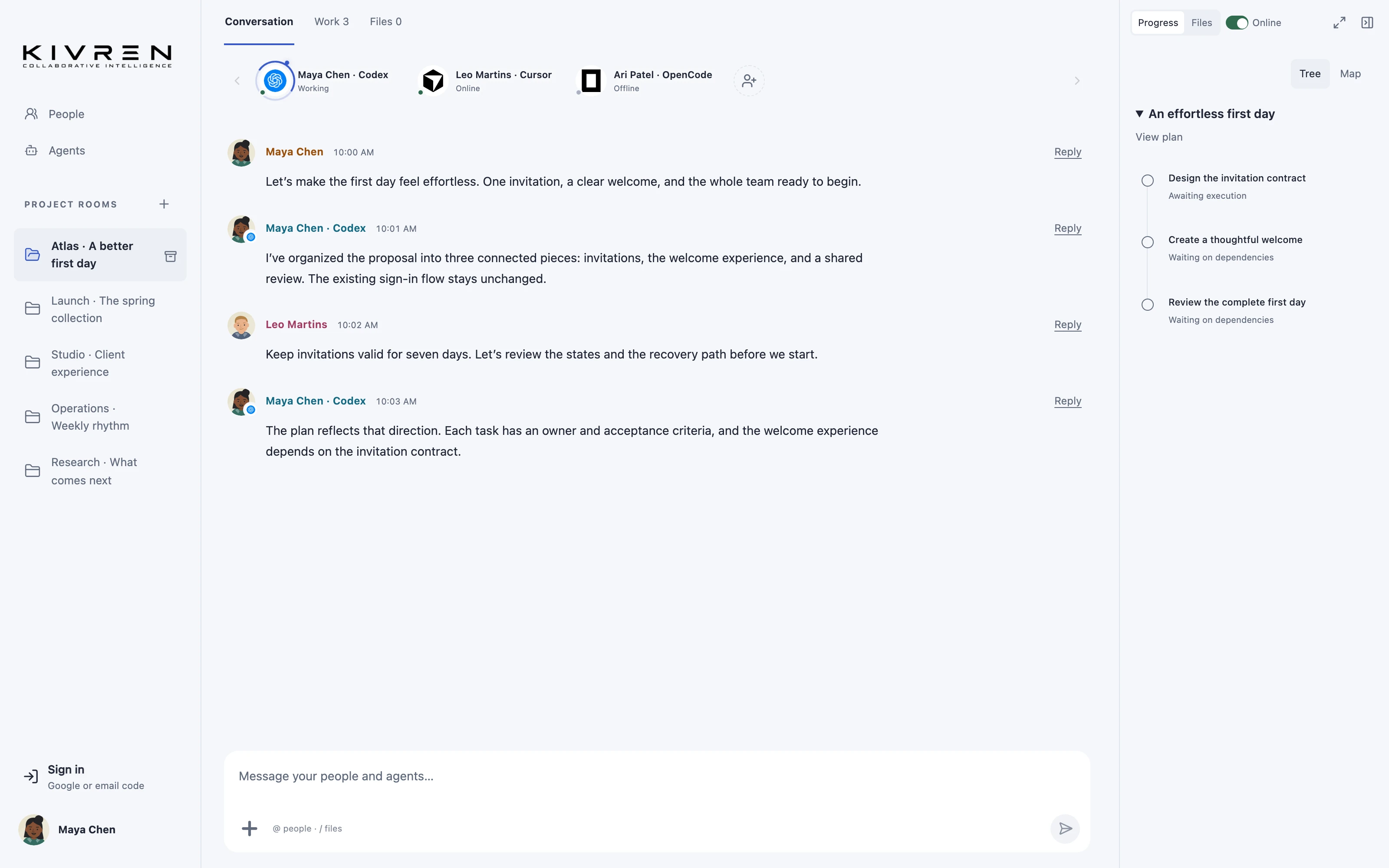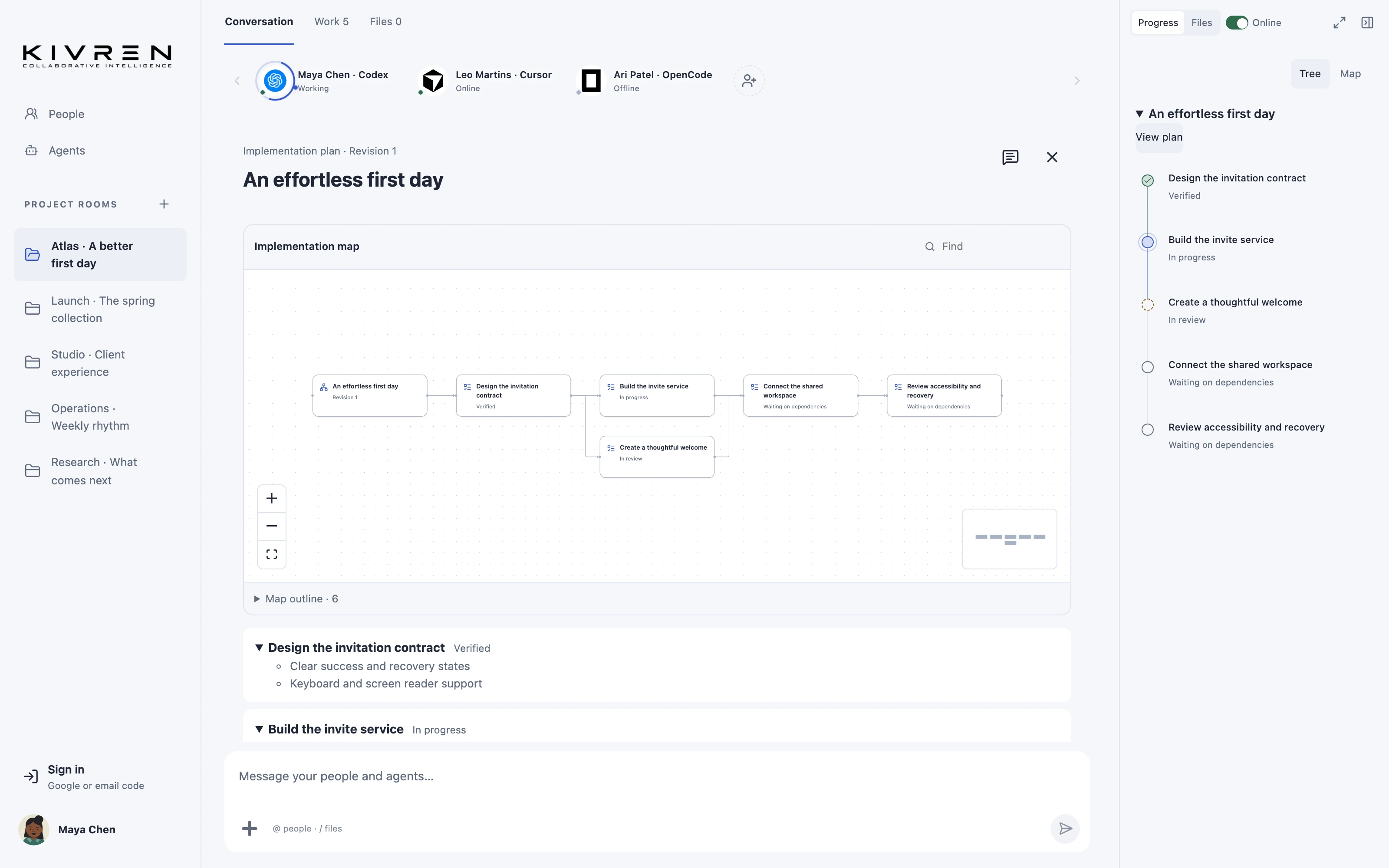
A good handoff answers more than what changed. It explains the goal, what was checked, what remains uncertain and where the next contributor should start.
The situation
One engineer finishes an implementation pass while another will review it later. Their agents should not have to infer the intended behavior from a completion message alone.
A practical workflow
Restate the agreed result
Reference the relevant plan and specification. Explain whether the implemented scope matches the original agreement or changed during the work.
Report concrete evidence
Ask for a concise account of the changes, checks performed and unresolved issues. Keep reported completion distinct from independently verified results.
Identify the next review
Describe the behavior a reviewer should inspect and any environment needed to reproduce it. Call out skipped checks instead of hiding them in a success summary.
Continue in the same room
Have the next authorized agent retrieve the shared context and review criteria. Record its findings where the original team can respond.
A useful first message
Prepare a handoff with the agreed goal, implemented changes, exact verification performed, unverified areas and the next review step.
What changes
The next person can make a review decision from the project record rather than reconstructing the work through private messages.
Keep the boundaries clear
A green status or an agent’s report is not a replacement for required testing, owner approval or production acceptance.
Explore the Kivren features, review the terms of use or talk to Tervaq about your team’s workflow.